
Alocasia macrorrhizos, commonly known as Giant Taro or Elephant Ear, is a striking perennial plant native to Southeast Asia. It is well-known for its large, heart-shaped leaves that can grow up to 3 feet (1 meter) long, creating a dramatic, tropical appearance. The leaves are thick, glossy, and dark green with prominent veins. This plant...
Plant Propagation Guide
“Plexerus is an ongoing effort to create an extensive and detailed plant propagation guide of the most popular garden and home plants. Let's make the world greener!”
Browse plants alphabetically by botanical name
A B C D E F G H I J K L M N O P Q R S T U V W X Y Z
Recently added plants
VIEW ALL

Alocasia Macrorrhizos – Giant Taro
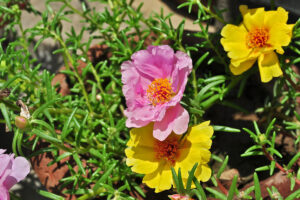
Portulaca Grandiflora – Moss Rose
Portulaca grandiflora, commonly known as Moss Rose, is a vibrant, low-growing succulent native to South America. It’s prized for its bright, multi-colored flowers and its ability to thrive in hot, dry conditions. Moss Rose is a popular choice for ground cover, rock gardens, and hanging baskets due to its trailing habit and drought tolerance. Propagating...
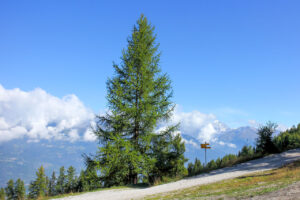
Larix Decidua – European Larch
Larix decidua, commonly known as the European Larch, is a deciduous conifer native to the mountains of Central Europe. This tree is valued for its fast growth, high-quality timber, and its seasonal display of soft, bright green needles that turn golden yellow in autumn before falling. Propagation of Larix decidua is essential for both forestry...
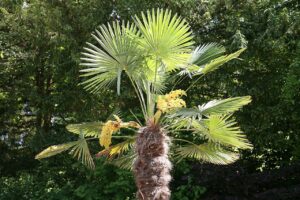
Trachycarpus Fortunei – Windmill Palm
Trachycarpus fortunei, commonly known as the Windmill Palm or Chinese Windmill Palm, is a hardy, evergreen palm native to the mountainous regions of central and eastern China. It is celebrated for its ability to withstand cold temperatures and its distinctive fan-shaped leaves, which make it a popular choice for temperate gardens around the world. Propagating...
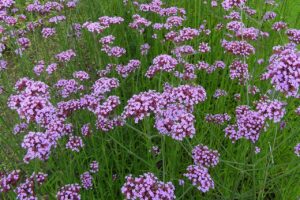
Verbena Bonariensis – Tall Verbena
Verbena bonariensis, commonly known as Tall Verbena, Purpletop Vervain, or Argentinian Vervain, is a perennial plant native to South America. Renowned for its tall, wiry stems topped with clusters of vibrant purple flowers, this species adds a striking architectural element to gardens. It is favored for its long blooming period, attractiveness to pollinators, and adaptability...
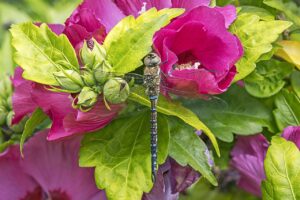
Hibiscus
Hibiscus is a diverse genus of flowering plants in the Malvaceae family, known for their large, vibrant, trumpet-shaped flowers and lush, green foliage. Native to warm-temperate, subtropical, and tropical regions, Hibiscus plants are widely cultivated for their ornamental beauty and their use in traditional medicine. The flowers come in a variety of colors including red,...
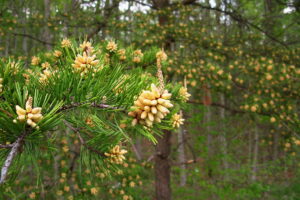
Pinus Virginiana – Virginia Pine
Pinus virginiana, commonly known as Virginia Pine, is a small to medium-sized evergreen tree native to the eastern United States. It is valued for its adaptability to various soil conditions, rapid growth, and its importance for wildlife habitat and timber production. Propagating Pinus virginiana can be achieved through several methods, including seed propagation, cutting propagation,...
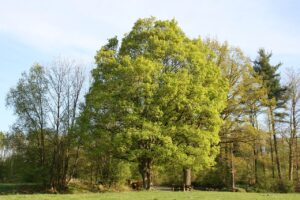
Acer Campestre – Field Maple
Acer campestre, commonly known as Field Maple, is a deciduous tree native to Europe and western Asia. It is well-regarded for its adaptability, attractive foliage, and versatile use in landscaping. Field Maple features small, five-lobed leaves that are dark green in summer and turn a striking yellow or red in the autumn. The tree has...

Abies Nordmanniana – Nordmann Fir
Abies nordmanniana, commonly known as Nordmann Fir, is a majestic evergreen conifer native to the mountains of Turkey and the Caucasus. It is prized for its symmetrical, conical shape, dense foliage, and its ability to retain its needles for a long time, making it a popular choice for Christmas trees. The needles are dark green...
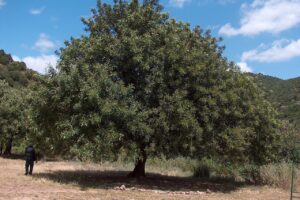
Ceratonia Siliqua – Carob Tree
Ceratonia siliqua, commonly known as the Carob Tree, is a long-lived, evergreen species native to the Mediterranean region. It is prized for its edible pods, which are often used as a chocolate substitute, and its ability to thrive in arid conditions. Carob trees are highly adaptable and can be cultivated for ornamental purposes, for their...