
Picea abies, commonly known as Norway Spruce, is a prominent coniferous tree native to Europe. Renowned for its tall, symmetrical form and dense, green needles, Norway Spruce is widely used in forestry, ornamental landscapes, and as a Christmas tree. This guide will explore the propagation methods for Norway Spruce, focusing on seed propagation, cutting propagation,...
Plant Propagation Guide
“Plexerus is an ongoing effort to create an extensive and detailed plant propagation guide of the most popular garden and home plants. Let's make the world greener!”
Browse plants alphabetically by botanical name
A B C D E F G H I J K L M N O P Q R S T U V W X Y Z
Recently added plants
VIEW ALL
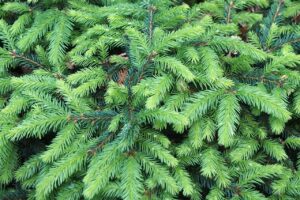
Picea Abies – Norway Spruce
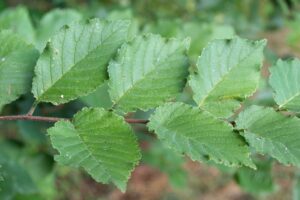
Ulmus Minor – Field Elm
Ulmus minor, commonly known as Field Elm, European Elm, or Smooth-leaved Elm, is a deciduous tree native to Europe, Western Asia, and North Africa. Known for its broad, serrated leaves and characteristic vase-shaped growth habit, Field Elm has historically been valued for its durable timber and its role in landscape aesthetics. Despite challenges such as...
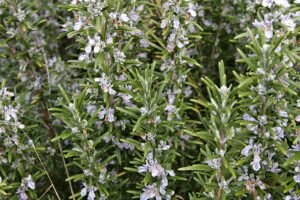
Rosmarinus Officinalis – Rosemary
Rosmarinus officinalis, commonly known as Rosemary, is a woody, perennial herb native to the Mediterranean region. It is cherished for its aromatic leaves, which are used in culinary, medicinal, and ornamental applications. Rosemary thrives in well-draining soils and full sunlight, making it a popular choice for herb gardens and xeriscaping. Propagating Rosemary can be accomplished...
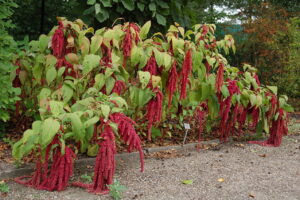
Amaranthus Caudatus – Love Lies Bleeding
Amaranthus caudatus, commonly known as Love-Lies-Bleeding, is an annual flowering plant native to South America. It is celebrated for its dramatic, cascading tassels of deep red or purple flowers that hang gracefully from tall, upright stems. The plant also has broad, green to reddish leaves, adding to its ornamental appeal. Love-Lies-Bleeding is often used in...
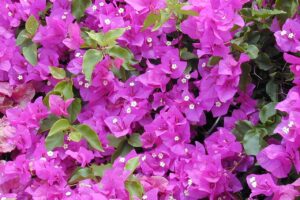
Bougainvillea
Bougainvillea is a genus of flowering plants native to South America, particularly Brazil, Peru, and Argentina. These plants are celebrated for their vibrant and colorful bracts, which are often mistaken for flowers. The actual flowers are small and typically white or yellow, surrounded by the papery bracts that can be pink, magenta, purple, red, orange,...
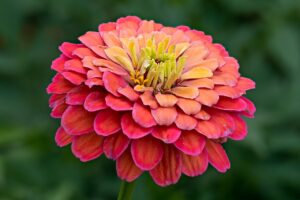
Zinnia Elegans
Zinnia elegans, commonly known as Zinnia, is a colorful and popular annual flowering plant native to Mexico. It belongs to the Asteraceae family and is widely cultivated for its bright, daisy-like flowers that come in a variety of vibrant colors. Propagation of Zinnia elegans can be achieved through several methods, including seeds, cuttings, and division....
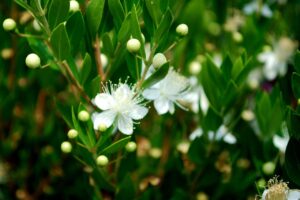
Myrtus Communis – Common Myrtle
Myrtus communis, commonly known as Common Myrtle, is an aromatic evergreen shrub native to the Mediterranean region. Valued for its fragrant white or pink flowers, glossy leaves, and dark berries, Myrtus communis is a popular choice for ornamental gardens and hedges. Beyond its aesthetic appeal, Myrtle has historical significance in various cultures and is used...
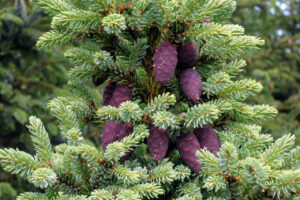
Picea – Spruce
Picea, commonly known as Spruce, is a genus of evergreen coniferous trees in the Pinaceae family, native to the temperate and boreal regions of the Northern Hemisphere. Spruce trees are valued for their symmetrical, conical shape, dense foliage, and their use in forestry, landscaping, and as Christmas trees. The needles are short, stiff, and four-sided,...
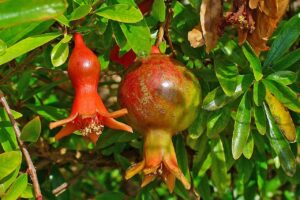
Punica Granatum – Pomegranate
Punica granatum, commonly known as Pomegranate, is a deciduous shrub or small tree native to the region extending from Iran to northern India. It is widely cultivated for its edible fruit, which is renowned for its rich, sweet-tart flavor and numerous health benefits. Beyond its culinary uses, the pomegranate is valued for its ornamental appeal,...
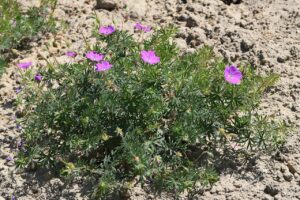
Geranium – Cranesbill
Geranium, often referred to as Cranesbill, is a diverse genus of flowering plants in the Geraniaceae family, native to temperate regions around the world. Geraniums are renowned for their attractive foliage, colorful flowers, and their versatility in the garden. Unlike the more commonly known Pelargonium (often called Geraniums in the horticultural trade), true Geraniums have...